
What expertise shapes our interactive media content?
The people behind our coverage spend their days comparing interface patterns, reading code, and tracking how audiences actually behave — not chasing trends.
Interactive Design Research Lead
Most design writing leans on adjectives. Ours leans on evidence, and that distinction starts at the top.

Evan Caldwell
Interactive Design Research Lead
Evan Caldwell compares interface patterns with careful attention to evidence, accessibility, and user comprehension. He explains design decisions through structured examples rather than trend language. When a pattern shows up in a shipped product, he asks what it cost the user to learn it — then writes from that answer rather than from the press release.
That approach sets the bar for everyone else on this list. We treat a design claim the way an editor treats a quote: source it, or cut it. None of this guarantees we read every project correctly, since interactive work changes the moment a real audience touches it, but it keeps the guesswork visible instead of hidden.
Specialists
Coverage this broad needs people who go deep in narrow places. Each specialist owns a corner of the field, and you can see that focus in how differently they reason.
Take the gap between studying what people should do and what they actually did. Marcus Reed lives in the second category — he opens shipped projects, finds what broke, and traces the failure back to a decision in the code. Marisol Benítez works a parallel question on the audience side, separating numbers that flatter a dashboard from signals that predict whether anyone comes back next week.
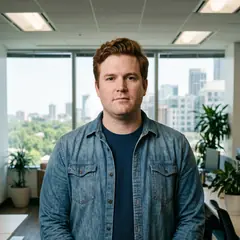
Kwame Antwi
Technology Innovation Strategist
I use a transparent method to evaluate emerging technologies and startup claims. My writing breaks complex innovation decisions into clear steps for builders and media professionals.
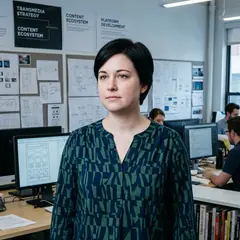
Lauren Kim
Digital Media Editor
I help readers compare digital formats in plain language. My work connects editorial judgment with practical audience behavior across newsletters, web features, and social storytelling.
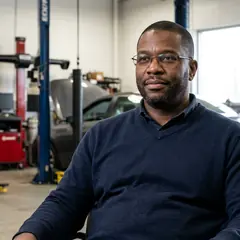
Marcus Reed
Senior UX Engineer
I study interactive projects by examining what shipped, what broke, and what users actually did. My analysis links code-level decisions to narrative pacing and accessibility.

Marisol Benítez
Audience Development Strategist
I evaluate audience growth through disciplined benchmarks rather than vanity metrics. My work helps media teams understand which signals point to lasting engagement.
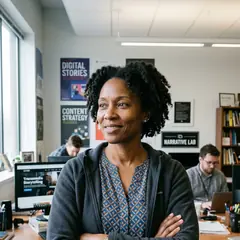
Maya Whitaker
Senior Transmedia Strategist
I compare platform mechanics and narrative architecture for teams building connected story worlds. My focus is making complex transmedia choices understandable and actionable.

Natalie Hartwell
Startup Ecosystem Analyst
Natalie Hartwell studies startup momentum through founder interviews, market signals, and product evidence. She explains how storytelling, capital, and community interact in the NYC tech ecosystem.
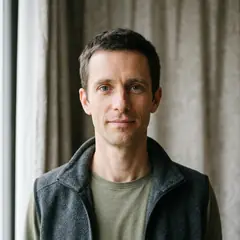
Étienne Laurent
Web Development Architect
Étienne Laurent explains advanced web systems by returning to foundational principles. He connects protocols, semantics, perception, and interface behavior for experimental media teams.
Why so many angles? Because a single interactive project touches all of them at once. A transmedia launch is also a startup story, a web architecture problem, and an audience question on the same afternoon. Maya Whitaker maps the narrative across platforms while Étienne Laurent argues about whether the protocol underneath can carry the weight, and Natalie Hartwell asks who funded the thing and why.
The result is coverage that holds up under pressure from different directions. If you want to know how any one of us reaches a conclusion, the individual profiles spell out the method. You can also read more about the work on the About Hopskoch page, or reach the group directly through Contact Us.